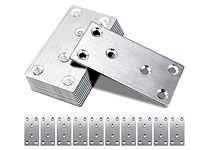
Explore Industrial Hardware for Workplaces and Equipment
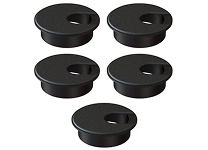
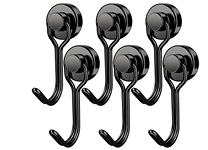
Industrial hardware includes the components used to assemble, secure, move, protect, and maintain machinery, structures, workstations, and storage systems. Common products include bolts, nuts, screws, washers, anchors, hinges, latches, handles, brackets, clamps, casters, and cable-management fittings. These parts serve manufacturing, maintenance, construction, workshop, facility, and equipment-building needs, from securing a panel to supporting a frequently moved cart. Ubuy helps shoppers discover industrial hardware and related products from international sources, making it easier to browse a broad range of item types in one place. Start by identifying the task, operating environment, and required load or fit. A carefully selected component can simplify installation and support dependable day-to-day operation, while the wrong size or material may cause premature wear or an unsuitable connection.
- Fasteners, fittings, and motion components
- For maintenance, assembly, and facility tasks
- Choose by application and working conditions
Compare Fasteners, Fittings, and Mechanical Components
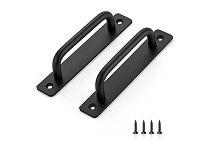
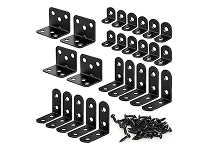
Fasteners form a major part of industrial hardware, with machine screws, wood screws, self-tapping screws, bolts, studs, nuts, rivets, and retaining rings suited to different joints. Thread type, diameter, length, head style, drive type, and grade influence fit and installation. Washers can help distribute pressure or resist loosening, while anchors are selected for the base material and installation method. Beyond fasteners, buyers may compare hinges, drawer slides, latches, knobs, handles, brackets, clamps, couplings, and mounting plates. For equipment that needs to roll, look at caster wheel diameter, tread, swivel or fixed construction, and brake options. Match every part to its mating components and the intended use; product terminology and dimensions matter because similarly named hardware may not be interchangeable.
- Check thread, dimensions, and head style
- Match anchors to the base material
- Compare hinges, slides, clamps, and casters
Materials, Finishes, and Load Requirements
Material selection affects strength, corrosion resistance, weight, and suitability for the surrounding environment. Steel hardware is widely used for robust fastening and support; stainless steel can be a consideration where moisture or corrosion exposure matters. Aluminum offers a lighter option for some assemblies, while brass and other alloys appear in particular fittings and applications. Finishes such as zinc plating, black oxide, or powder coating can alter surface protection and appearance, but the product specification should guide the choice. Review stated load ratings, dimensions, thread specifications, and installation guidance rather than judging capacity by appearance. Consider vibration, temperature, exposure to chemicals, repeated movement, and contact with dissimilar materials. For safety-critical or engineered applications, consult qualified technical guidance and the relevant equipment documentation before selecting or substituting components.
- Compare steel, stainless steel, aluminum, and alloys
- Review finish and environmental exposure
- Verify ratings and equipment specifications
Tools, Accessories, and Installation Considerations
Industrial hardware is often purchased alongside tools and accessories needed for accurate installation and upkeep. Depending on the task, useful items may include hex keys, socket sets, torque wrenches, drill bits, taps and dies, thread-locking products, washers, spacers, cable ties, and protective caps. Confirm that tool drive sizes and profiles suit the fastener, and follow specified torque or assembly instructions when provided. For threaded connections, check whether the application calls for a particular thread pitch, locking method, or seal. Organizing parts by size and type can also reduce selection errors during repair work. Ubuy offers a way to discover international hardware and complementary items; compare product descriptions, dimensions, materials, and pack contents carefully before ordering to ensure that accessories match the intended assembly and available tools.
- Pair hardware with compatible installation tools
- Check thread and drive specifications
- Review pack contents and dimensions
Applications, Compatibility, and Hardware Care
The right hardware depends on where and how it will be used. Production equipment may require mounting brackets, guards, clamps, and replacement fasteners; workshops often need bench fittings, storage hardware, and vise or fixture components. Facility and building maintenance can involve door hardware, anchors, hinges, handles, and cable supports, while carts and enclosures call for suitable wheels, latches, or closures. Check measurements against the existing part, including hole spacing, shaft or thread dimensions, mounting pattern, and clearance. Keep product instructions and equipment specifications available when replacing components. Routine care may include checking for looseness, wear, corrosion, deformation, or damaged threads, and cleaning parts with a method appropriate to their material and finish. Replace compromised components rather than relying on appearance alone, especially where a failure could affect safe operation.
- Match replacements to the original fit
- Inspect for wear, corrosion, and damage
- Follow equipment care instructions
Select the Right industrial hardware
Before buying, define the application and make a short specification list: component type, quantity, dimensions, material, finish, thread or mounting details, and any stated load or operating requirements. Decide whether you need individual pieces, assortments, replacement parts, or a coordinated set of fittings. Compare product listings for clear measurements, compatible materials, included accessories, and installation information; ask for technical clarification when a specification is incomplete. For repeated purchases, record part numbers and verified dimensions to help maintain consistency across repairs. Avoid substituting a component solely because it looks similar, particularly in assemblies with defined performance requirements. Ubuy can help shoppers explore industrial hardware from international product ranges, with selection guided by the details provided for each item. Taking time to verify fit and intended use supports a more confident purchase.
- Build a checklist of fit and material needs
- Compare specifications, quantities, and accessories
- Verify compatibility before completing a purchase