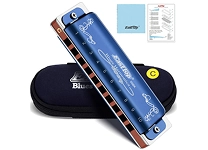
Explore Wind Musical Instrument Families
Wind musical instruments create sound when a player sets an air column vibrating, using breath directly or a mouthpiece and, in some designs, a reed. The category spans woodwinds such as flute, clarinet, oboe, bassoon and saxophone, as well as brass instruments including trumpet, trombone, French horn and tuba. Despite the name, woodwinds may be made from metal, while brass instruments are identified by cup-shaped mouthpieces and vibrating lips. Players change notes through tone holes, keys, valves or a slide, depending on the design. Choices range from compact recorders and beginner flutes to orchestral, jazz and marching instruments. Understanding these families helps narrow searches by playing style, sound, ensemble role and skill level. Ubuy provides a place to discover international wind instrument products and related options.
- Woodwind and brass families
- Breath-powered sound production
- Options for solo and ensemble playing
Compare Woodwind Instruments and Reeds
Woodwind instruments offer a broad range of timbres, from the clear, agile sound of a flute to the warm, flexible tones of a clarinet or saxophone. Flutes are played across an opening or through a headjoint, while clarinets and saxophones use a single reed attached to a mouthpiece. Oboes and bassoons use double reeds, producing a distinctive focused tone and requiring specific reed care. Recorders provide a straightforward entry point for learning fingering and breath control. When comparing models, consider the instrument's key system, register, bore design, weight and material. Beginners may value comfortable key placement and a manageable setup; advancing players may prioritize response, tone consistency and adjustment options. Reed strength, mouthpiece style and case fit can also affect playability and ongoing costs.
- Flute, clarinet, saxophone and more
- Single- and double-reed designs
- Compare keywork, response and setup
Understand Brass Instruments and Their Roles
Brass instruments shape pitch and tone through lip vibration against a mouthpiece, with valves or a slide changing the length of the air column. Trumpets and cornets suit bright melodic lines, while trombones use a movable slide for smooth pitch transitions. French horns are valued for a rounded orchestral voice, and tubas provide low brass foundation. Euphoniums and baritones fill middle and lower registers in concert and marching ensembles. Players should compare mouthpiece size, instrument weight, valve action, bore and bell design, as these influence comfort and response. Brass models are commonly made from brass alloys with protective lacquer or plating, and some instruments include water keys for releasing moisture. Yamaha and Bach are among the established names shoppers may encounter when comparing brass options.
- Trumpets, trombones, horns and tubas
- Valves or slide control pitch
- Consider mouthpiece and instrument weight
Compare Materials, Features and Playing Feel
Construction affects durability, weight, response and the way an instrument feels in use. Woodwind bodies may be crafted from wood, resin or metal; student models often use durable synthetic materials, while some performance instruments feature carefully selected woods or metal components. Brass instruments commonly use brass alloys, with lacquered and plated finishes offering different appearances and care needs. Check key ergonomics, spring action, joint fit, adjustable thumb rests and overall balance, especially when choosing for younger players. Instrument pitch and tuning system matter too: many orchestral and band instruments are designed for standard ensemble use, while specialized models may suit particular repertoires. For saxophones and clarinets, mouthpiece and reed combinations affect articulation and tone. Ubuy can help shoppers explore international products, including instruments with differing configurations and included accessories.
- Body material influences handling
- Inspect keys, valves and joint fit
- Check pitch and tuning compatibility
Choose Accessories and Maintain Your Instrument
The right accessories support reliable playing and help protect an instrument between sessions. Common purchases include a fitted case, cleaning swab, polishing cloth, mouthpiece brush, cork grease for applicable woodwinds, reeds and a reed case. Brass players may also use valve oil, slide cream or tuning slides suited to their instrument; follow the maker's care guidance for each product. A music stand, instrument strap, shoulder rest or practice mute can make rehearsals more comfortable, depending on the instrument and setting. After playing, remove moisture, dry the instrument as directed and store it securely. Avoid forcing keys, valves or joints, and arrange qualified servicing when parts stick, leak or no longer respond evenly. Selmer and Gemeinhardt are familiar names in woodwind searches, alongside a wide range of accessory makers.
- Match accessories to instrument type
- Clean and dry after playing
- Store securely and service when needed
Select the Right wind musical instruments
Start with the intended player, musical setting and experience level, then shortlist instruments that fit those needs. A school band student may need a durable, comfortable model with manageable weight, while an orchestral player may focus on response, tonal range and precise keywork. Jazz musicians might compare saxophones, clarinets or trumpets by mouthpiece compatibility and articulation. Check the instrument's size, tuning, fingering layout, included case and whether essentials such as a mouthpiece or reeds are supplied. If possible, compare sound and handling with guidance from a teacher or knowledgeable player. Review product specifications carefully, especially for left- or right-hand configurations and compatible accessories. Ubuy offers a platform for discovering international wind musical instruments; compare product details to find an option suited to your playing goals, maintenance preferences and budget.
- Match the instrument to player and setting
- Review included parts and compatibility
- Compare specifications before purchasing