Vitamin B Supplements: Essential B Vitamins and Their Roles
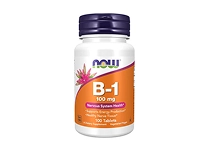
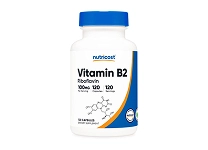
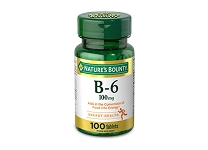
Vitamin B supplements provide one or more of the eight B vitamins: thiamin (B1), riboflavin (B2), niacin (B3), pantothenic acid (B5), pyridoxine (B6), biotin (B7), folate (B9), and cobalamin (B12). These water-soluble nutrients support processes such as energy metabolism, red blood cell formation, and normal nervous system function. A supplement may contain a single B vitamin, a balanced B-complex formula, or a blend with other nutrients. These products are not interchangeable with food or a substitute for a varied diet, and taking more is not automatically better. Ubuy offers a place to discover international vitamin B supplement products and compare their formats and label details. Check the serving size and nutrient amounts to understand what a product provides.
- Eight essential B vitamins
- Single-nutrient and B-complex options
- Compare nutrient amounts per serving
B-Complex, B12, Folate, and Other Supplement Types
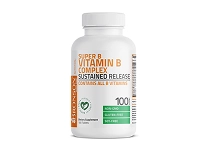
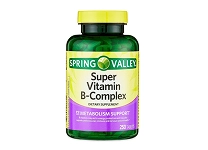
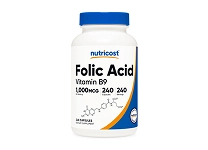
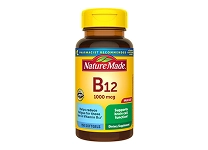
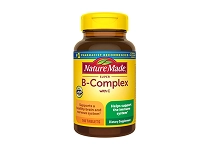
B-complex supplements combine several or all of the B vitamins in one serving, which can suit shoppers seeking a broad formula. Single-nutrient products focus on a particular vitamin, such as B12, folate, biotin, or B6. B12 supplements are available in different forms, including cyanocobalamin and methylcobalamin; folate products may list folic acid or other folate forms. Products also differ in potency, so compare the amount of each nutrient with the product directions rather than assuming every complex has the same balance. Some formulas include added ingredients, such as vitamin C or minerals, while others keep the ingredient list focused. Read the full label to see whether the product matches your preference for a comprehensive blend or a targeted supplement.
- B-complex blends
- Single-vitamin formulas
- Different forms and potencies
Forms, Ingredients, and Label Details to Compare
Vitamin B supplements come in tablets, capsules, softgels, gummies, powders, and liquids. The best format is one you can use as directed and comfortably incorporate into your routine. Tablets and capsules may provide a straightforward ingredient profile, while gummies and liquids can have added flavorings, sweeteners, or other ingredients. Review the Supplement Facts or equivalent panel for the amount per serving, serving size, and percentage of daily value; also check directions, allergens, and other ingredients. Some formulas identify specific forms, such as methylfolate or methylcobalamin, but the label alone does not establish that a product is right for every person. Brands such as Nature Made, Solgar, NOW Foods, and Thorne offer examples of products shoppers may encounter. Compare labels rather than relying on brand name alone.
- Tablets, capsules, gummies, powders, and liquids
- Review serving size and nutrient amounts
- Check added ingredients and allergens
Choosing Supplements for Dietary Needs and Daily Routines
People explore B vitamin supplements for varied reasons, including dietary preferences, life stage, or a clinician-identified need. Vitamin B12 deserves particular attention for people who avoid animal-derived foods, since naturally occurring B12 is found mainly in animal foods and fortified products. Pregnancy planning and pregnancy can make folate guidance especially important, so discuss an appropriate product and amount with a qualified healthcare professional. Age, health conditions, medicines, and existing supplements can also affect what is suitable. Avoid stacking multiple products without checking their combined nutrient amounts, particularly for high-potency formulas. Ubuy can help shoppers discover international product options, but product labels should be reviewed carefully and personal health questions discussed with a clinician or pharmacist before starting or changing a supplement.
- Consider dietary pattern and life stage
- Check overlapping nutrients across products
- Seek professional advice for personal needs
Quality, Compatibility, and Safe Supplement Use
Before purchasing, check that the packaging provides clear ingredient information, directions, serving size, and storage guidance. Look for manufacturing or quality information supplied by the seller or product maker, and verify whether the formula contains ingredients you need to avoid. If you take prescription or over-the-counter medicines, ask a healthcare professional or pharmacist about potential interactions; supplements can matter in the context of a broader care plan. Keep products stored according to their labels, away from children, and do not use them beyond the stated directions. Be cautious of claims that promise to treat or prevent disease, since vitamin supplements are not a replacement for diagnosis or medical care. Comparing ingredient lists, dosage, format, and intended use can make it easier to distinguish a simple B-complex from a specialized blend.
- Check directions, storage, and ingredient details
- Consider medicines and other supplements
- Be cautious of disease-treatment claims
Select the Right vitamin b supplements
Start by deciding whether you want a single B vitamin or a B-complex, then identify the format that fits your routine. Compare the amount of each nutrient per serving, the number of servings, and any added ingredients; a larger number on the label is not automatically a better match. If you have a specific dietary concern, life-stage need, health condition, or medication question, get individualized guidance from a qualified professional before choosing a formula. Check the product directions and use only as indicated. When browsing Ubuy, compare international products by reading their available label details and checking that the formula aligns with your preferences. A thoughtful choice balances nutrient profile, form, ingredient transparency, and practical use, rather than relying on broad promises or a single feature.
- Choose a targeted vitamin or B-complex
- Compare serving amounts and ingredients
- Match format to your routine