Explore Needlework Supplies for Every Project
Needlework supplies bring together the materials and tools used for embroidery, cross-stitch, crewelwork, tapestry, needlepoint, and other stitch-based crafts. Core choices include embroidery floss, tapestry yarn, needles, hoops, frames, fabric, scissors, and pattern charts. Beginners may prefer a kit that groups compatible materials and provides clear instructions, while experienced stitchers often select each component to suit a specific technique or design. Specialty options, such as water-soluble stabilizers, needle threaders, thimbles, and transfer pens, can make detailed work easier to manage. Ubuy offers a way to discover international needlework products and compare different kinds of supplies in one place. Consider the project's scale, stitch style, and intended finish before choosing tools, so each item supports comfortable, consistent stitching.
- Supplies for embroidery, cross-stitch, needlepoint, and more
- Choose between complete kits and individual materials
- Match tools to project size and stitching technique
Choose Thread, Yarn, and Fabric with Care
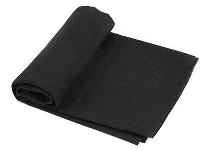
Thread and fabric work together to shape a needlework project's texture, coverage, and appearance. Cotton embroidery floss is a versatile option for surface embroidery and counted designs; pearl cotton offers a twisted, non-divisible strand, while wool and tapestry yarn create fuller coverage for needlepoint and textured stitching. Silk and metallic threads bring distinct sheen, but may need gentler handling. For fabric, even-weave cloth and Aida provide visible, regular holes for counted work, whereas linen and cotton are common choices for embroidery and decorative stitching. Check the fabric's weave, weight, and color against the pattern and thread thickness. If a design calls for multiple strands, confirm that the needle eye and fabric can accommodate them without distorting stitches. Ubuy can help shoppers browse international choices in threads, yarns, and stitching fabrics.
- Compare fiber, strand count, and thread finish
- Match fabric weave and weight to the pattern
- Check color and coverage before starting
Find Needles, Hoops, and Essential Tools
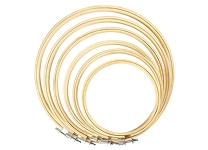
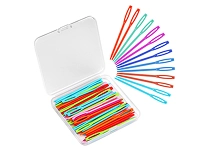
The right needle and support tools can improve control and help protect both thread and fabric. Embroidery needles typically have sharp points and larger eyes for floss, while tapestry needles have blunt points suited to counted work and open-weave cloth. Needle size should suit the thread and pass through the fabric without leaving oversized holes. Hoops hold fabric taut for many embroidery techniques; frames can provide a larger or more stable work area. Useful accessories include embroidery scissors for clean thread snips, needle threaders for fine eyes, thimbles for pushing needles, and marking tools for transferring designs. Consider grip, weight, and working posture if you stitch for long sessions. Keep small tools organized and check that the hoop or frame accommodates the project dimensions without stretching the fabric unevenly.
- Select needle type and size for the fabric
- Use hoops or frames to maintain even tension
- Add scissors, threaders, and marking tools as needed
Compare Patterns, Stitching Techniques, and Finishes
Patterns guide stitch placement, color choices, and project planning, with formats ranging from printed charts to counted diagrams and pre-printed fabric. Cross-stitch and blackwork often rely on clearly counted fabric grids, while surface embroidery uses stitch direction and line work to build shapes, lettering, or floral detail. Needlepoint typically covers a canvas with decorative stitches, and crewelwork uses wool yarn for dimensional designs. Read pattern instructions for required thread colors, needle type, fabric count, and finishing method before purchasing supplies. Useful finishing materials may include backing fabric, lining, hanging hardware, or a suitable frame. Beginners can start with a small, clearly charted design; detailed projects benefit from good lighting and magnification. Ubuy is a place to explore international patterns and accessories when comparing options for a particular technique.
- Check pattern format and skill requirements
- Match supplies to the chosen stitch technique
- Plan finishing materials before stitching
Care for Needlework Supplies and Keep Them Organized
Good storage and routine care help keep needlework materials ready for future projects. Store floss and yarn away from direct sunlight, dust, and moisture; organizers, bobbins, or labeled containers make colors and thread types easier to identify. Keep needles dry and return them to a case or pincushion after use. Sharp embroidery scissors should be stored with their blades protected, while hoops and frames should be clean and free from rough edges that could snag fabric. Follow care instructions for the specific fiber and cloth, especially before washing or pressing a finished piece, since dyes and embellishments can respond differently to heat or water. A project pouch can keep the active pattern, fabric, and tools together. For multi-stage work, label thread colors and note the pattern section completed to make resuming simpler.
- Store fibers clean, dry, and away from sunlight
- Protect needles and scissor blades between projects
- Follow fabric and thread care guidance
Select the Right needlework supplies
Build a supply list around the project rather than choosing tools in isolation. Start with the pattern or intended technique, then confirm fabric type and dimensions, thread or yarn fiber, color requirements, and the recommended needle. For a first project, a coordinated kit can reduce guesswork; for custom work, individual supplies allow more control over texture and color. Compare needle sizes, thread strand counts, hoop diameter, and pattern clarity, and consider whether accessories such as a frame, magnifier, or stabilizer will be useful. Check product descriptions carefully for materials and included components, particularly when a kit is expected to contain everything needed. Ubuy provides a platform for discovering international needlework products across different supply types. Choose quality and ease of use that fit your experience, budget, workspace, and plans for displaying or gifting the finished piece.
- Begin with the pattern's materials list
- Compare dimensions, materials, and included items
- Choose supplies suited to skill level and use