Laundry Detergent Types and Formats
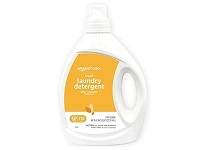
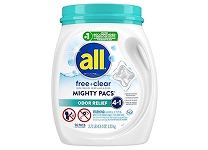
Laundry detergent comes in several formats, each designed to fit different routines and washing preferences. Liquid detergent dissolves readily and is easy to measure for small or large loads; it can also be applied carefully to some stains before washing. Powder detergent is often chosen for everyday laundry and may suit households that prefer a dry, scoopable product. Single-dose pods and capsules offer premeasured portions, while detergent sheets provide a lightweight, compact alternative. Some products are formulated specifically for handwashing, delicate fabrics, or particular wash conditions. When comparing options, consider how much laundry you wash, where you store supplies, and whether you prefer measured doses or adjustable amounts. Ubuy can help shoppers discover international laundry detergent formats and compare product details across different types.
- Liquid, powder, pods, and sheets
- Formats for varied laundry routines
- Compare dosage and storage needs
Cleaning Performance, Stains, and Laundry Needs
Detergent formulas vary in how they tackle everyday soil, body oils, food marks, and odors. Enzyme detergents use enzymes to target certain types of stains, while other formulas focus on general cleaning or freshness. Products labeled for whites, colors, or dark fabrics may be designed around specific laundry needs, so check garment care labels and detergent directions before use. Concentrated formulas require less product per load than some standard detergents; using extra detergent does not necessarily improve cleaning and can leave residue. For heavily soiled clothing, follow the package guidance on pretreatment, water temperature, and load size. Tide and Persil are widely recognized detergent brands, with product ranges that may differ by formula and market. Compare ingredient and usage information rather than relying on a brand name alone.
- Look for formulas suited to stains
- Follow directions for concentrated products
- Match detergent to fabric and soil
Washer Compatibility and Dosing
Choosing detergent that matches your washing machine helps support effective washing and avoid excess suds. High-efficiency washers are designed to use less water, so use detergent specifically labeled for HE machines when the washer instructions call for it. Standard machines may have different dosing guidance. Always consult both the appliance manual and detergent packaging, since recommended amounts can depend on load size, water hardness, soil level, and formula concentration. Pods and capsules are convenient but should be handled and placed as directed; they are not intended to be divided. For handwashing, select a suitable product and dissolve it thoroughly according to its instructions. Ubuy provides a place to explore international laundry detergent options, where checking product labels and machine compatibility is an important part of comparing choices.
- Check HE or standard washer guidance
- Measure according to load conditions
- Follow pod and handwash directions
Ingredients, Fragrance, and Fabric Care
Ingredient lists and scent preferences can help narrow down laundry detergent choices. Fragranced products leave a noticeable scent, while fragrance-free options are made without added fragrance; these labels are not interchangeable with claims such as unscented, so read the product description. Some detergents are marketed for sensitive skin or made without selected ingredients, but individual responses vary. Review the complete label and consider a small load when trying an unfamiliar formula. Color-care detergents are intended for routine washing of colored garments, while delicate fabrics may require a specialized detergent or a gentler wash method. Follow garment care symbols and separate items as appropriate to reduce color transfer. Products from brands such as Arm & Hammer and Seventh Generation may offer different scent and formula choices across their ranges, so compare each specific product.
- Compare fragrance and ingredient labels
- Consider fabric-specific care directions
- Check the exact formula, not only brand
Laundry Routine, Accessories, and Storage
A consistent laundry routine starts with sorting garments, checking care labels, and selecting a detergent dose suited to the load. Measuring cups, detergent dispensers, and stain-treatment products can make washing easier, but use each accessory according to its instructions. Avoid overfilling the washer, since crowded loads may restrict movement and rinsing. Keep detergent containers closed and stored in a dry place, following package safety guidance and keeping products away from children and pets. Clean the washer dispenser and follow the appliance manual for routine machine care; detergent residue can build up when products are overused or dispensers are not maintained. For travel, shared laundry spaces, or limited storage, compact formats may be convenient. Consider packaging size and ease of handling alongside cleaning needs when choosing a product.
- Sort clothes and follow care labels
- Use measuring and stain-care accessories properly
- Store detergent securely and keep dispensers clean
Select the Right laundry detergent
Start by identifying your washer type, typical load size, fabrics, and most common laundry challenges. Then compare detergent format, concentration, scent, ingredients, and directions for use. Liquid and powder products allow dosing adjustments, while pods and sheets offer premeasured convenience; each format has different storage and handling considerations. Check whether the formula is intended for HE machines, handwashing, colors, whites, or delicate items, and follow the garment and appliance instructions. If you have a particular fragrance preference or ingredient concern, read the label carefully rather than assuming all products in a range are alike. Compare cost per wash when pack sizes and recommended doses differ. Ubuy can help shoppers discover international laundry detergent products and assess listed features, making product specifications useful when comparing options for a household routine.
- Match formula to machine and fabrics
- Compare dose, format, and ingredients
- Use labels to guide your final choice