Explore Kitchen Mixer Types and Uses
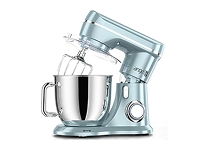
Kitchen mixers help combine, whip, knead, and blend ingredients with less repetitive effort than mixing by hand. The main options are stand mixers, which use a stationary base and rotating beater; hand mixers, which are compact and held over a bowl; and specialty mixers designed for particular preparation tasks. Stand models suit frequent baking and larger batches, while hand models work well for quick batters, whipped cream, and smaller kitchens. Some machines also support food preparation through compatible attachments. When browsing kitchen mixers on Ubuy, compare the intended tasks and available configurations rather than relying on appearance alone. Thinking about what you cook most often—bread, cakes, cookies, sauces, or everyday meals—helps narrow the category to a practical, suitable mixer.
- Stand mixers support hands-free mixing
- Hand mixers suit quick, smaller tasks
- Match mixer type to cooking habits
Stand Mixers for Baking and Batch Preparation
A stand mixer is built around a motorized base, a mixing bowl, and a raised head or bowl-lift mechanism. Common tools include a flat beater for cake batter and cookie dough, a wire whisk for aerating eggs or cream, and a dough hook for kneading bread mixtures. Bowl capacity affects how much you can prepare at once, but usable capacity varies with the recipe and ingredients. Motor power, speed range, and mixing action also matter: planetary action moves the attachment around the bowl while it rotates, helping reach more of the mixture. KitchenAid, Kenwood, Bosch, and Cuisinart are familiar names in the mixer market, with features and attachment systems varying by model. Check bowl and attachment details before choosing.
- Compare bowl capacity and mixing action
- Look for a useful range of speeds
- Check included beaters, whisk, and hook
Hand Mixers and Compact Kitchen Mixers
Hand mixers offer a lighter, space-saving alternative for everyday mixing, especially when you already have suitable bowls. Most include detachable beaters, with some models providing whisk or dough attachments for additional tasks. Consider handle comfort, weight, speed settings, and how easily attachments release, particularly if you expect to use the mixer for extended sessions. A slow-start feature can help reduce splashing when combining dry ingredients, while a storage case or built-in cord wrap can make accessories easier to keep together. Hand mixers are generally suited to lighter mixtures than a full-size stand mixer, so check the manufacturer's guidance for dough and other demanding recipes. For limited counter space or occasional baking, a compact model can cover useful basics without a large appliance footprint.
- Choose a comfortable, balanced handle
- Review included attachments and storage
- Check guidance for heavier mixtures
Mixer Features, Attachments, and Materials
Speed controls, bowl design, and attachment compatibility shape how a kitchen mixer performs across recipes. Multiple speed settings offer control for folding, creaming, whipping, and kneading; pulse or gradual-start controls can help manage delicate or dry ingredients. Stainless steel bowls are durable and commonly dishwasher-safe, while glass bowls let you see contents and may be heavier to lift. Confirm care instructions for the bowl and each accessory, since coatings and materials can have different cleaning requirements. Some stand mixers accept optional tools such as pasta rollers, meat grinders, or slicers, but attachment hubs and compatibility are model-specific. Check whether useful accessories are included or sold separately, and verify that replacement parts fit the exact mixer model before purchasing.
- Review speed controls and bowl materials
- Verify attachment and model compatibility
- Check cleaning and replacement-part guidance
Choosing a Mixer for Your Kitchen Routine
Start with the recipes and batch sizes you prepare most often, then consider how frequently you will use the appliance and where it will live. A heavier stand mixer can stay on the counter for regular baking, while a compact hand mixer is easier to store and retrieve. Measure available counter and cabinet space, and consider the weight of the appliance if it must be moved. Noise, controls, bowl access, and the ease of scraping ingredients from the sides can affect daily convenience. If comparing products on Ubuy, use specifications to assess capacity, included accessories, and intended tasks across different kitchen mixers. Also consider whether a model's attachments, replacement tools, and care requirements fit your established cooking routine.
- Match capacity to typical batch sizes
- Measure storage and counter space
- Compare accessories and care needs
Select the Right kitchen mixers
A confident choice balances function, fit, and long-term practicality. For frequent bread making, prioritize a stand mixer with a suitable dough hook, stable base, and bowl capacity for your recipes. For cakes, meringues, and general baking, compare whisk and beater performance, speed control, and how thoroughly the mixing action reaches the bowl. If your needs are occasional or space is tight, a hand mixer may be the more useful option. Read product specifications carefully, including dimensions, included attachments, material details, and cleaning instructions; do not assume accessories fit across brands or models. Ubuy can be used to discover kitchen mixers and related products from international selections. Choose the setup that supports your real cooking habits, not just the longest feature list.
- Prioritize features for your regular recipes
- Confirm dimensions and included accessories
- Choose a mixer that suits your space