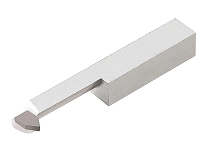
Industrial Cutting Tools for Precision Manufacturing
Industrial cutting tools support machining, fabrication, construction, and maintenance tasks where material must be removed or divided accurately. The category includes tools for cutting metal, wood, plastics, composites, and other work materials, with designs suited to different machines and production demands. In machine shops, inserts and end mills shape components; in fabrication settings, saw blades, drills, and abrasive wheels help cut stock or prepare edges. Tool selection influences cut quality, dimensional accuracy, cycle time, and the amount of finishing required. Buyers can compare tool geometry, cutting capacity, material compatibility, and intended operation before choosing. Whether the goal is repeatable production or occasional workshop use, matching the tool to the workpiece and process helps support controlled, efficient results while reducing avoidable wear on both tooling and equipment.
- Tools for metal, wood, plastics, and composites
- Options for machining, sawing, and fabrication
- Selection affects cut quality and tool life
Common Types and Cutting Operations
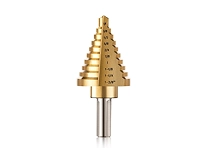
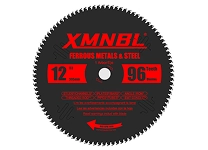
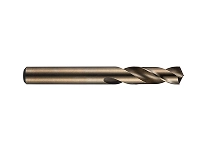
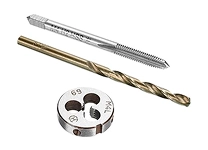
Industrial cutting tools cover several related operations. Turning tools remove material as a workpiece rotates on a lathe, while milling cutters rotate against a fixed or moving workpiece to create slots, faces, profiles, and pockets. Drill bits produce holes, reamers refine their size and finish, and taps or dies create threads. Bandsaw and circular-saw blades cut bar, sheet, pipe, and other stock; punches, shears, and abrasive wheels serve specialized cutting or edge-preparation needs. Within these groups, buyers may compare solid tools, indexable cutters with replaceable inserts, and application-specific profiles. Consider the operation, workpiece shape, desired finish, and production volume together. Ubuy can help shoppers discover international industrial cutting tool products across different types and configurations, making it easier to explore options for a defined application.
- Turning, milling, drilling, and threading tools
- Saw blades, punches, shears, and abrasive cutters
- Solid and replaceable-insert configurations
Cutting Materials, Geometry, and Coatings
Tool material and cutting geometry affect how a cutter performs under heat, pressure, and repeated contact. High-speed steel tools are often chosen for versatility and toughness, while carbide cutters are commonly used where hardness, wear resistance, or higher cutting speeds are priorities. Ceramic and other advanced tool materials may suit particular high-temperature or high-speed applications, subject to machine and workpiece requirements. Geometry matters too: flute count, rake angle, edge preparation, tooth pitch, and chip-breaker design influence chip evacuation, cutting forces, and surface finish. Coatings such as titanium nitride or aluminum titanium nitride can support wear resistance in appropriate conditions, but compatibility depends on the material and process. Compare the tool maker's application guidance with workpiece hardness, cutting speed, feed rate, and coolant practice before selecting a configuration.
- Compare high-speed steel, carbide, and advanced materials
- Review flute, tooth, and edge geometry
- Match coatings to the workpiece and operation
Machine Compatibility and Tooling Accessories
A suitable cutter must fit the machine as well as the job. Check the machine type, spindle interface, shank diameter, holder, collet, arbor, and available cutting capacity before ordering. CNC milling and turning setups may also require compatible insert seats, tool holders, and offset or measurement procedures; saws need blades with the correct length, width, tooth form, and mounting pattern. Accessories such as collets, arbors, clamps, coolant delivery equipment, and replacement inserts can complete a tooling setup, but dimensions and specifications should be verified rather than assumed. Consider whether the machine can provide the required speed, feed, rigidity, and power. A securely mounted, correctly aligned tool helps maintain predictable cutting and reduces the risk of poor finish, vibration, or premature damage to the cutter or workpiece.
- Verify holders, shanks, arbors, and mounting dimensions
- Check machine speed, feed, and capacity
- Match accessories and inserts to the tool system
Performance, Maintenance, and Safe Use
Cutting performance depends on more than the tool itself. Correct speed and feed settings, a rigid setup, suitable workholding, and effective chip control help produce consistent results. Coolant or lubrication may be useful for certain materials and operations, while some processes are designed for dry cutting; follow machine and tool guidance for the application. Inspect cutting edges and saw teeth for wear, chipping, or damage, and replace or index tooling when its condition affects accuracy or finish. Keep tools clean and stored to protect edges, and use the recommended handling method for sharp or brittle cutters. Operators should follow the machine instructions and workplace safety procedures, including appropriate guarding and personal protective equipment. Routine checks can help identify changing cut quality early and guide timely adjustments or tool replacement.
- Use suitable speeds, feeds, and workholding
- Inspect edges and replace worn tooling
- Follow machine instructions and safety procedures
Select the Right industrial cutting tools
Start by identifying the material, operation, workpiece dimensions, and required tolerance or surface finish. Then narrow choices by machine compatibility, tool material, geometry, size, and cutting capacity. Production volume can help determine whether a durable solid cutter, an indexable system, or a task-specific blade offers the most practical fit. For replacement tooling, confirm the exact insert shape, grade, dimensions, thread, or mounting details against the existing setup. Review recommended cutting data and consider chip evacuation, coolant needs, and access to the cut. Compare product specifications carefully, especially when selecting tooling for an unfamiliar machine or material. Ubuy offers a place to discover international industrial cutting tools and compare product options for different applications. A clear checklist of process and compatibility requirements makes it easier to choose confidently and avoid unsuitable tooling.
- Define the material, operation, and finish requirement
- Confirm machine and replacement-part compatibility
- Compare specifications and recommended cutting data