Explore Home Rug Styles, Materials, and Uses
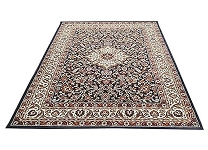
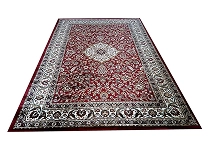
Home rugs add comfort, color, and texture while helping define spaces in living rooms, bedrooms, dining areas, hallways, and entryways. Choose from area rugs, runners, accent rugs, doormats, kitchen mats, and washable designs, matching the format to the room and daily foot traffic. Wool rugs are valued for warmth and resilience; cotton is lightweight and often easy to clean, while jute and sisal bring natural texture. Synthetic fibers such as polypropylene and polyester can suit busy households and varied budgets. Construction also affects feel and appearance: hand-knotted and hand-tufted rugs differ from machine-made options in texture, detail, and care needs. Consider color, pattern, pile height, and the room's existing furniture so the rug complements the space without overwhelming it.
- Compare area rugs, runners, mats, and accent rugs
- Choose fibers and construction for the room's use
- Coordinate colors, patterns, and pile height
Compare Rug Size, Shape, and Pile
The right rug size gives furniture a deliberate arrangement and helps a room feel balanced. In a seating area, a rug can sit beneath all furniture legs or anchor the front legs, depending on the layout; beneath a dining table, allow enough rug beyond the chairs for them to remain on the surface when pulled out. Runners suit hallways and narrow spaces, while round and oval rugs can soften angular layouts. Measure the intended footprint before buying and check door clearance, especially where a thick pile could catch. Low-pile and flatweave rugs are practical for busy walkways, dining areas, and easier chair movement; plush piles add softness in bedrooms and lounges. On Ubuy, shoppers can explore international rug options and compare dimensions, materials, and construction details to narrow their choices.
- Measure the furniture layout and available floor space
- Match pile height to traffic and door clearance
- Choose a shape that works with the room's layout
Choose Rug Pads for Grip and Floor Support
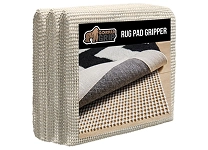
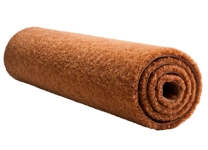
A rug pad helps limit slipping, adds cushioning, and can reduce wear caused by friction between a rug and the floor. Common options include felt pads for added softness, rubber or natural latex styles for grip, and combined felt-and-grip designs for a balance of both. Select a pad that is slightly smaller than the rug so it stays out of sight and does not create a raised edge. Check the pad and rug care instructions, as some backing materials may not suit every floor finish or rug construction. For hard floors, prioritize a compatible non-slip surface; for carpet, look for a pad designed to hold the rug in place without damaging the pile. Trim only when the product instructions allow it, and replace pads that become brittle, compressed, or less effective.
- Select grip and cushioning for the floor surface
- Size the pad slightly smaller than the rug
- Check material compatibility and care instructions
Protect Floors, Rugs, and High-Traffic Areas
Protective products help manage everyday wear around rugs and flooring. Rug grippers and corner tabs can help address curling edges, while stair treads add a layer of traction and comfort on steps. Clear floor protectors or chair mats may suit work areas where casters move across hard flooring or carpet; confirm the product is intended for that surface before use. For entryways, washable mats can catch dirt and moisture before they reach larger rugs. Rug protector sprays are another option for some fibers, but their suitability depends on the rug's material, dye, backing, and manufacturer guidance. Test any treatment on an inconspicuous area first and follow the label. Regular vacuuming, prompt attention to spills, and rotating rugs can also help maintain their appearance and distribute wear more evenly.
- Consider grippers, stair treads, and floor protectors
- Use entry mats to help manage tracked-in dirt
- Verify surface and fiber compatibility before treatment
Compare Features, Care, and Everyday Performance
A confident purchase balances appearance with practical details. Review dimensions, fiber content, backing, pile height, weave or tufting, and the cleaning method listed for each product. Households with pets or children may prefer low-pile, washable, or stain-resistant options where suitable, while a natural-fiber rug may need gentler care. Consider whether the rug will sit in a sunny area, beneath dining furniture, or near an entrance, since placement affects fading, flattening, and soil buildup. Brands such as Safavieh, Mohawk, Ruggable, and nuLOOM offer different styles and product constructions; compare individual specifications rather than relying on a brand name alone. Ubuy can help shoppers discover international home rug, pad, and protector selections, with product details useful for comparing materials, dimensions, and care requirements.
- Check product specifications and cleaning guidance
- Match durability needs to traffic and household routines
- Compare individual products across recognized brands
Select the Right home rugs pads protectors
Start by identifying the room, the area to cover, and the main purpose: decoration, warmth, floor protection, safer footing, or easier upkeep. Measure the space and furniture arrangement, then choose a rug size and shape that leaves suitable clearance around doors and walkways. Pair it with a pad made for the rug and floor type, accounting for grip, cushioning, and backing compatibility. Add a runner, entry mat, stair tread, or chair protector where those formats address a specific use. Before checkout, review material, pile, construction, dimensions, maintenance instructions, and any included components so you know what the product requires. If comparing international products on Ubuy, use the listed specifications to assess fit and care needs for your home. This step-by-step approach helps narrow options to pieces that suit both your room and routine.
- Define the room's purpose and measure carefully
- Match rugs, pads, and protectors to each other
- Review dimensions, materials, and maintenance details