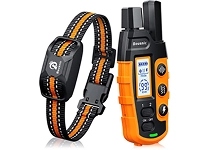
Dog Collars for Everyday Wear and Identification
Dog collars provide a practical point for attaching identification tags and a leash, while helping owners keep track of a dog during daily routines. Common styles include flat collars for everyday use, martingale collars designed to tighten gently when a dog pulls back, and quick-release options for convenient removal. A collar should sit securely without pinching or restricting breathing, swallowing, or movement. Many designs include a buckle, adjustable strap, and D-ring, with room for an ID tag. For puppies and growing dogs, check the fit regularly and adjust or replace the collar as needed. Ubuy helps shoppers discover dog collars from international product selections, making it easier to compare styles, materials, and features suited to different dogs and routines.
- Flat, martingale, and quick-release styles
- Space for ID tags and leash attachment
- Check fit regularly, especially for growing dogs
Collar Types for Training, Walking, and Outdoor Use
Choose a collar style according to your dog's needs, walking habits, and training plan. Flat collars are a versatile choice for identification and everyday leash use, while martingale collars can offer a more secure fit for dogs whose heads are narrower than their necks. Some owners consider specialized training collars, but these require careful selection and responsible use; consult a qualified trainer or veterinarian if you are unsure. Reflective collars can improve visibility in low light, and waterproof designs may suit dogs that swim or spend time outdoors. For hiking or active play, look for secure hardware and a construction intended for regular movement. A collar is not a substitute for supervision, a suitable leash, or positive training.
- Match collar style to activity and fit
- Reflective and waterproof options suit specific routines
- Seek qualified guidance for specialized training collars
Materials, Hardware, and Comfort Features
Collar materials affect comfort, durability, cleaning, and overall feel. Nylon is lightweight and comes in a wide range of colors and patterns; padded or lined versions can add softness against the coat. Leather offers a different texture and may soften with use, but it needs suitable care and should be kept in good condition. Biothane-style coated webbing is often selected for easy cleaning and water resistance. Check stitching, buckle construction, adjusters, and D-rings, since these components contribute to secure everyday use. Smooth edges and an appropriate width can help reduce rubbing, especially for dogs with sensitive skin or fine coats. Hardware weight also matters for small breeds. Select materials that suit your dog's comfort, activity level, and the care you can provide.
- Compare nylon, leather, and coated webbing
- Inspect stitching, buckles, and D-rings
- Consider lining, width, and hardware weight
Sizing, Fit, and Compatibility with Leashes
Measure your dog's neck with a flexible tape where the collar normally sits, then compare the result with the product's size chart rather than relying on breed alone. Allow comfortable room between the collar and neck, following the maker's fit guidance, and confirm that the collar cannot slip over the dog's head. A collar that is too tight may cause discomfort, while one that is too loose can catch on objects or come off. Check that the D-ring works with your leash clip and that tags fit without crowding the hardware. For leash-reactive or strong dogs, consider whether a harness is more suitable for walks. Ubuy provides a place to compare international dog collar designs and product details before choosing a size and compatible accessories.
- Measure the neck and consult the size chart
- Check security, comfort, and head clearance
- Match leash clips and tags to the hardware
Care, Safety, and Helpful Accessories
Regular inspection helps keep a dog collar comfortable and functional. Look for frayed webbing, cracked leather, loose stitching, bent rings, or a buckle that no longer fastens securely, and replace worn equipment. Follow the product's cleaning instructions; many fabric collars can be washed, while leather generally needs material-appropriate care. Remove dirt and moisture to help maintain the collar, and allow it to dry fully before putting it back on. Useful accessories include engraved or slide-on ID tags, reflective add-ons, and replacement leads that fit the collar's hardware. Remove collars when they could snag during unsupervised play or crate time, and supervise dogs wearing equipment. Keep identification current and ensure the collar does not irritate the skin or interfere with normal movement.
- Inspect hardware and fabric for wear
- Clean according to material-specific instructions
- Use tags and accessories that fit securely
Select the Right dog collars
Start with your dog's neck measurement, coat, size, temperament, and usual activities. Then compare collar type, adjustment range, material, width, closure, and attachment hardware. A lightweight flat collar may suit daily identification, while an active dog may benefit from reflective details or easy-clean construction. Consider how often the collar will be wet or dirty and whether you can maintain its material. Check product sizing and care information carefully, and replace equipment that becomes damaged or uncomfortable. If you are deciding between a collar and harness, or considering a specialized training design, ask a veterinarian or qualified trainer for advice tailored to your dog. Ubuy can help you explore international dog collars and compare practical features, helping you choose an option that supports comfortable, responsible everyday use.
- Prioritize measured fit and your dog's comfort
- Compare materials, closures, and activity features
- Review care guidance and replace damaged collars