Explore the Main Types of Crafting Supplies
Crafting supplies include the materials, tools, and finishing products used to make decorative, practical, and artistic projects. Common choices range from cardstock, scrapbook paper, stickers, and embellishments to yarn, fabric, beads, clay, paints, and drawing media. Adhesives, cutting tools, brushes, storage items, and project blanks help turn those materials into finished work. Paper crafting may involve card making, journaling, or scrapbooking, while textile crafts use fibers, needles, and fabric for sewing, embroidery, knitting, or crochet. Jewelry making, model making, pottery, and mixed-media art each call for their own combinations of components. Knowing the project type and intended result helps narrow a broad selection to useful supplies, whether you are replenishing a craft room or gathering materials for one creative idea.
- Paper, textile, jewelry, and mixed-media materials
- Tools and finishing products for varied projects
- Choose supplies according to the intended craft
Compare Materials, Tools, and Features
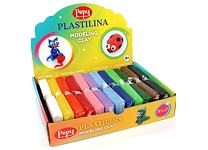
Material choice affects the appearance, handling, and durability of a finished craft. Paper weight and surface texture influence folding, drawing, and adhesive performance; fabric fiber, weave, and stretch matter for sewing and embroidery. Acrylic paints, watercolors, markers, and colored pencils each offer different coverage and application, while air-dry and oven-bake clays suit different modeling processes. For tools, consider blade type, grip, size, and whether a cutter or punch is designed for a particular material. Adhesives may be formulated for paper, textiles, or heavier components, so check the product information before use. Paints and mediums from brands such as Liquitex and Mod Podge are familiar options in art and craft projects, while Fiskars is associated with cutting tools. Match product features to your technique, workspace, and desired finish.
- Check material weight, texture, and flexibility
- Match adhesives and tools to the surface
- Compare application, finish, and handling
Find Supplies for Different Craft Projects
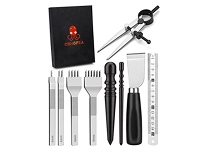
A project list makes it easier to select a balanced set of crafting supplies and avoid overlooking small but essential components. Card making and scrapbooking often call for paper, stamps, ink pads, scissors, cutting mats, and embellishments. Sewing and embroidery projects may need fabric, thread, needles, hoops, and measuring tools, while knitting and crochet require suitable yarn and hooks or needles. Jewelry makers commonly use beads, findings, wire, pliers, and clasps. Painting and mixed-media work may combine a substrate with color, brushes, palette tools, and protective finishes. Beginners can start with a manageable selection of versatile materials, then add specialist tools as techniques develop. Experienced makers may prioritize specific sizes, finishes, or replacement components. Reviewing the steps in a project before shopping helps ensure that supplies work together and suit the level of detail involved.
- Build a supply list around the project steps
- Consider beginner and specialist requirements
- Include small components and finishing materials
Check Compatibility, Storage, and Care
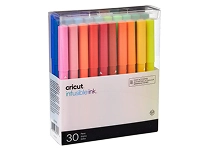
Crafting supplies perform best when their materials and tools are compatible. Confirm that a cutting blade suits the material thickness, that a paper punch handles the intended stock, and that a chosen adhesive is appropriate for both surfaces. For machine-assisted projects, check the craft machine's supported materials, tool format, and software or file requirements before selecting accessories. Keep packaging or product instructions available for guidance on setup and use. Store paper flat and away from moisture, close paint and glue containers after use, and organize small items such as beads, needles, and findings in secure compartments. Clean brushes and reusable tools according to their care guidance, and replace worn blades or damaged components when needed. Brands such as Cricut and Faber-Castell are recognized in creative tools and materials; compatibility depends on the specific product, not brand name alone.
- Verify fit with machines and project materials
- Store supplies clean, dry, and organized
- Follow product-specific care instructions
Shop Crafting Supplies with Confidence
Comparing product details can help you make an informed choice across a wide category. Look at dimensions, quantity, material composition, included accessories, color options, and intended use rather than relying on a product name alone. Sets can be convenient for exploring a technique, while individual components may offer more control over size, shade, or quantity. If a project depends on precise color matching or a particular finish, review the available specifications and compare related items before purchasing. Ubuy can be used to discover international crafting supplies and explore products across different creative disciplines. Consider whether the contents suit your current tools and skill level, and check item details for any setup or care requirements. A focused comparison helps you select practical materials for home crafting, classroom activities, handmade gifts, or ongoing creative work.
- Compare specifications, quantities, and included items
- Choose sets or individual supplies for your needs
- Explore international products through Ubuy
Select the Right crafting supplies
Start with the craft you want to make, the materials you already own, and the finish you hope to achieve. Then prioritize essentials, such as a suitable base material, a compatible adhesive or joining method, and the core tools required by the technique. Check sizes and quantities against your project plan, especially for repeated designs or group activities. If you are trying a new medium, a small selection can help you learn how it behaves before investing in additional accessories. For established hobbies, compare specific product features and replacement needs, including tool compatibility and material care. Ubuy offers a way to discover international crafting supplies while you compare options across categories. Choosing thoughtfully can make the creative process more organized and help ensure that each item has a clear purpose in your workspace or project.
- Begin with the project, technique, and desired finish
- Check quantities and compatibility before buying
- Select useful essentials before optional extras