Explore Cat Grooming Supplies for Every Coat
Cat grooming supplies help maintain a clean coat, comfortable skin, tidy nails, and healthy-looking ears and teeth. Core products include slicker brushes, bristle brushes, grooming combs, deshedding tools, nail clippers, grooming wipes, shampoos, and toothbrushes. Some kits combine several essentials, while individual tools let you build a routine around your cat's coat and temperament. Short-haired cats may need a rubber brush or fine-tooth comb to lift loose hair; long-haired cats often benefit from a wider comb and a gentle slicker brush to work through tangles. Grooming tables, towels, and non-slip mats can make home care easier to manage. Choose tools designed for cats, since size, tooth spacing, and blade shape affect comfort and control during grooming.
- Brushes, combs, nail tools, and coat-care products
- Options for short, medium, and long coats
- Individual tools and grooming kits
Choose Brushes and Combs for Coat Type
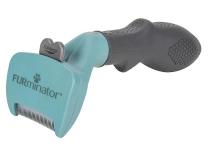
The right brush or comb can remove loose fur and help prevent knots without pulling unnecessarily. Slicker brushes use fine wire pins to loosen dead hair and tackle light tangles; choose a gentle design and work in short strokes. A metal grooming comb is useful for checking behind the ears, under the legs, and around the tail, where mats can form. Rubber curry brushes and grooming mitts can suit short coats and cats that prefer a softer touch. Deshedding tools are designed to reach loose undercoat, but they should be used according to the maker's directions rather than pressed firmly against the skin. Brands such as FURminator, Safari, and Hertzko offer recognizable grooming options. Consider handle grip, pin spacing, coat length, and your cat's tolerance when comparing tools.
- Match brush style to coat length and texture
- Use combs to check common tangle-prone areas
- Consider grip, pin spacing, and comfort
Compare Nail, Bath, and Hygiene Essentials
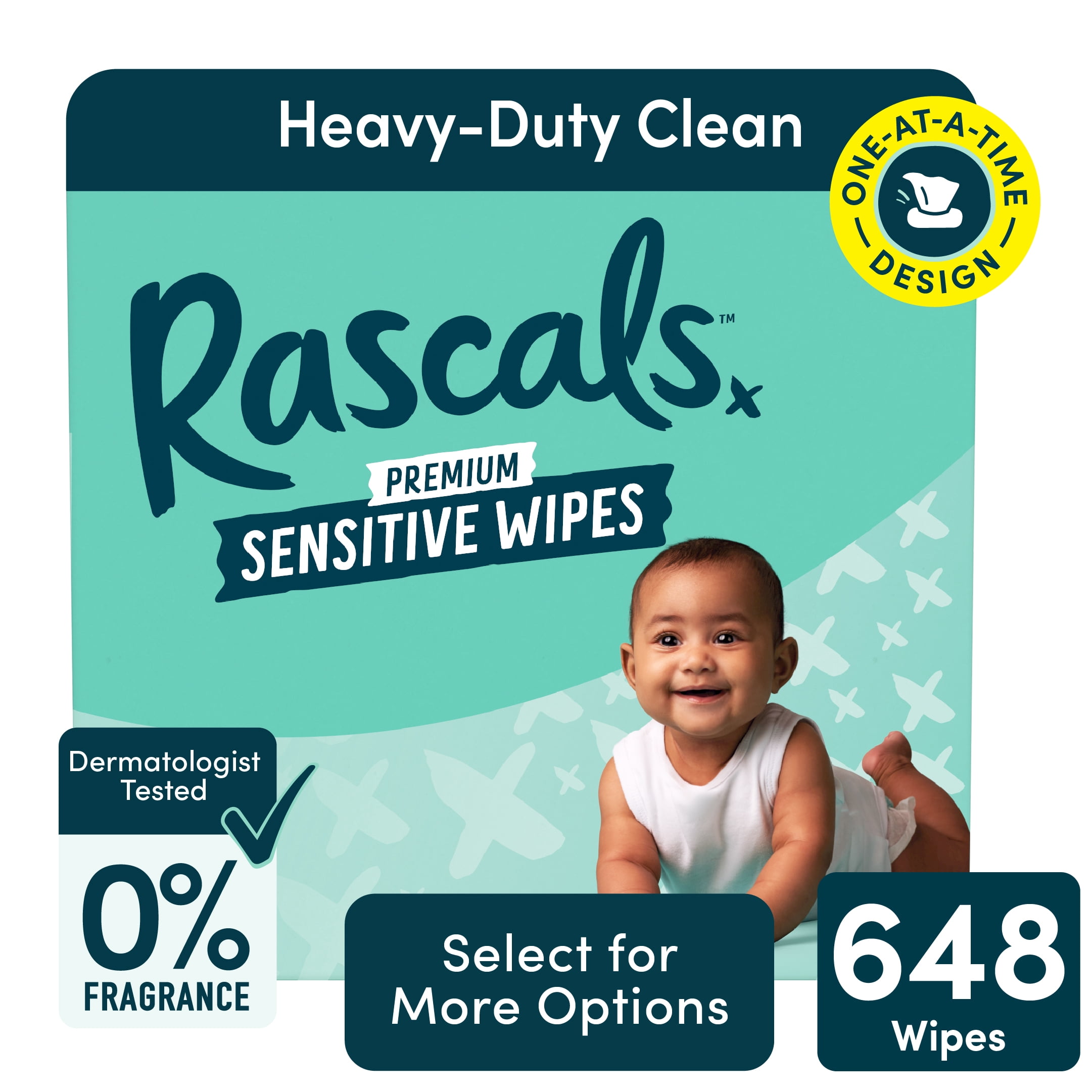
Nail clippers, grooming scissors, shampoo, wipes, and ear-care products support different parts of a cat's routine. Cat nail clippers may use a scissor, plier, or guillotine-style mechanism; a secure grip and appropriately sized cutting area can make careful trimming easier. Rounded-tip grooming scissors may help with small coat tidy-ups, but avoid cutting close to the skin or using scissors around a moving cat. For bathing, select a cat-formulated shampoo and follow its label; human products are not a substitute for pet grooming products. Waterless shampoos and grooming wipes can be useful for spot cleaning when a full bath is unsuitable. Toothbrushes and pet toothpaste provide dedicated dental-care options, while ear products should be intended for cats. Introduce unfamiliar items gradually and stop if grooming causes distress.
- Select cat-sized nail clippers with controlled grip
- Use cat-formulated coat and hygiene products
- Introduce grooming tools gradually
Understand Grooming Tool Features and Materials
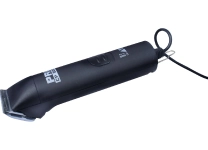
Construction and design influence how grooming supplies feel, clean, and perform over time. Stainless-steel combs and clipper blades are common choices for sturdy, smooth grooming surfaces, while plastic handles can keep tools lightweight. Rubberized grips may help with control, particularly during nail trimming. Brush heads vary in size, pin stiffness, and flexibility, so compare those details with your cat's coat and sensitivity. Electric pet clippers can help with selected trimming tasks; check blade compatibility, included guards, noise level, and cleaning instructions before choosing one. Andis and Wahl are established names in animal grooming tools, though the right model depends on the task and user experience. Ubuy offers a place to discover international cat grooming products and compare stated specifications, product types, and included accessories before deciding what fits your routine.
- Check blade, guard, and brush-head details
- Compare grip, weight, and cleaning needs
- Review included accessories and care instructions
Build a Comfortable Grooming Routine
A calm, consistent routine can make grooming more manageable for both cats and their caregivers. Start with brief sessions and a tool your cat already tolerates, then gradually introduce brushing, paw handling, or other care as appropriate. Keep treats nearby, work in a familiar space, and pause when your cat becomes uncomfortable. Regular brushing may help remove loose fur and reveal developing tangles, while nail checks can help you decide when trimming is needed. Clean brush pins and comb teeth after use, and remove hair from clipper blades according to the product instructions. Store sharp tools safely and replace damaged items rather than continuing to use them. Ubuy can help shoppers explore grooming accessories for different routines, including mats, towels, storage cases, and cleaning brushes that support more organized at-home care.
- Use short sessions and gentle handling
- Clean tools after each grooming session
- Store clippers and scissors securely
Select the Right cat grooming supplies
Begin by considering coat length, shedding, grooming needs, and how your cat responds to handling. For everyday coat care, compare brush shapes and comb spacing; for nail care, prioritize a stable grip and a cutter sized for cats. If you are considering electric clippers, check the intended use, compatible blades or guards, power details, and maintenance requirements. Look at product dimensions and material information to judge whether a tool will be practical to hold and store. A starter kit can provide several basics together, while separate purchases offer more control over each item. Read care instructions and product details before use, and ask a veterinarian or professional groomer for guidance when a task seems difficult or your cat has a skin or coat concern. Choose supplies that suit a safe, realistic routine.
- Start with your cat's coat and care needs
- Check size, compatibility, and instructions
- Choose tools that suit your grooming routine