Cat Food Types, Textures, and Formats
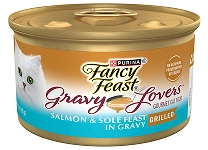
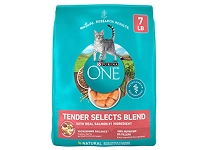
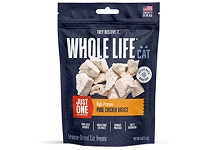
Cat food comes in several formats, each suited to different routines and preferences. Dry kibble is convenient to portion and store, while canned food, pouches, and trays offer softer textures and typically contain more moisture. Some cats prefer pâté; others enjoy shredded, minced, or gravy-based recipes. Freeze-dried and air-dried options provide alternative textures, while treats and toppers add variety but should complement, not replace, a complete diet. Product labels may describe food as complete and balanced or as intended for supplemental feeding, so check the purpose before buying. Compare package size, feeding directions, texture, and storage needs alongside flavor. Ubuy can help shoppers discover cat food formats and international products from different makers, making it easier to explore options that may be less familiar in nearby stores.
- Compare kibble, wet food, and alternative formats
- Check whether food is complete or supplemental
- Match texture and package size to your routine
Life Stage, Lifestyle, and Feeding Needs
A cat's age, activity level, and individual needs can guide the choice of food. Kitten formulas are generally designed for growth, adult recipes for everyday maintenance, and senior options may be tailored to changing needs with age. Indoor cats, highly active cats, and cats with different body conditions may also benefit from appropriate portioning and feeding routines. Look for clear life-stage guidance on the label and use the feeding chart as a starting point, adjusting portions with advice from a veterinarian when needed. Fresh water should be available alongside meals. For multi-cat homes, separate feeding areas or measured portions can help manage different diets. Keep an eye on appetite, body condition, and tolerance when introducing a new recipe, since individual cats may respond differently to the same food.
- Choose a formula suited to life stage
- Use feeding guidance as a starting point
- Consider activity and individual needs
Ingredients, Nutrients, and Cat Food Labels
Reading the label helps compare cat food beyond its flavor or front-of-pack claims. Check the nutritional adequacy statement, intended life stage, feeding instructions, and guaranteed analysis, which commonly lists crude protein, fat, fiber, and moisture. Ingredient lists are typically ordered by weight, but they do not tell the whole story about a recipe's nutritional value. Cats are obligate carnivores, and recipes may include animal-based proteins, fats, vitamins, minerals, and other ingredients to provide a complete diet. Note named protein sources if you are comparing recipes or tracking a known sensitivity with professional guidance. If packaging uses terms such as grain-free or limited ingredient, review the full formulation rather than assuming the claim makes a food suitable for every cat. Ubuy offers a place to browse international cat food labels and product types for comparison.
- Review nutritional adequacy and life-stage statements
- Compare guaranteed analysis and protein sources
- Assess the complete recipe, not one claim
Wet Food, Dry Kibble, and Everyday Features
Choosing between wet and dry cat food often comes down to a cat's preferences, feeding routine, and dietary needs. Wet recipes can contribute moisture through food, while kibble is easy to measure and can be practical for scheduled meals or puzzle feeders. Some households combine formats, but portions should be managed so the overall diet remains appropriate. Compare serving sizes, resealable packaging, and storage instructions: opened wet food generally requires prompt refrigeration and careful handling, while dry food should be kept sealed in a cool, dry place. Recipe features may include different textures, protein sources, or targeted nutrient blends; read the label to understand what each product offers. Ubuy can be used to explore cat food options from international brands such as Royal Canin, Hill's Science Diet, and Purina, while shoppers compare product details and formats.
- Weigh moisture, convenience, and preference
- Follow storage instructions after opening
- Compare recipe details across brands
Special Diets, Treats, and Feeding Accessories
Some cats need a particular feeding approach because of a diagnosed condition, food sensitivity, or other health concern. Veterinary diets and therapeutic formulas should be selected with a veterinarian's guidance, rather than chosen solely from packaging claims. For a routine recipe change, transition gradually by mixing increasing amounts of the new food with the current food over several days, and monitor acceptance and digestion. Treats, dental chews, toppers, and supplements are also available, but check their intended use and keep extras in proportion to the daily diet. Helpful accessories include measuring scoops, airtight storage containers, feeding mats, and slow or puzzle feeders that make mealtimes more manageable. Wash bowls regularly and store food according to its packaging. Keeping a note of the product, portion, and any observed changes can help support informed conversations with a veterinary professional.
- Ask a veterinarian about therapeutic diets
- Introduce routine changes gradually
- Use clean bowls and suitable storage
Select the Right cat food
To choose cat food with confidence, start with your cat's life stage and any feeding guidance from a veterinary professional. Then compare complete-diet status, nutritional information, texture, protein sources, package size, and storage requirements. Consider whether wet food, dry kibble, or a combination best fits your cat's preferences and your feeding routine; account for every portion when combining products. If you are exploring unfamiliar recipes, introduce them gradually and keep a familiar option available while your cat adjusts. For households with more than one cat, check whether each animal needs a separate formula or measured serving. Read product descriptions and labels carefully, and avoid relying on a single marketing phrase to make a decision. A suitable choice is one your cat accepts and that fits their everyday nutritional needs and care plan.
- Start with life stage and professional guidance
- Compare labels, format, and feeding practicality
- Choose a suitable recipe your cat accepts