Explore Band and Orchestra Instrument Families
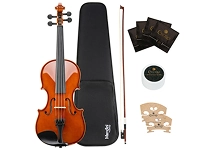
Band and orchestra musical instruments span the brass, woodwind, string, and percussion families, each with a distinct role in ensemble music. Brass instruments such as trumpets, trombones, French horns, and tubas produce sound through vibrating lips and use valves or a slide to change pitch. Woodwinds include flutes, clarinets, oboes, bassoons, and saxophones, with tone shaped by air, keys, and—in many models—a reed. Violin, viola, cello, and double bass bring bowed or plucked string sounds to orchestras. Concert band and orchestral percussion may include snare drums, timpani, cymbals, mallet instruments, and accessories. Students, school programs, community ensembles, and experienced performers may shop for instruments, replacement parts, cases, and music essentials. Ubuy offers a place to discover products across these instrument families.
- Brass, woodwind, string, and percussion choices
- Options for learners and experienced performers
- Instruments, parts, and ensemble accessories
Compare Instrument Types and Playing Roles
Start by matching an instrument to the ensemble, musical part, and playing experience. A flute or clarinet may suit a beginning band student, while oboe and bassoon parts often call for familiarity with double reeds. Trumpets and trombones carry bright brass lines; French horns and low brass contribute different registers and blend. In orchestra, violins commonly play higher melodic parts, while viola, cello, and double bass cover inner and lower voices. Percussionists may need to move between a snare drum, timpani, keyboard percussion, and auxiliary instruments. Consider the instrument's size and weight, the player's reach, breath support, and whether a school or ensemble specifies a particular type. For young string players, fractional sizes can help with fit. A teacher or ensemble director can clarify suitable models, playing requirements, and parts before purchase.
- Match the instrument to ensemble requirements
- Consider player size, reach, and experience
- Check part and instrument specifications
Materials, Construction, and Sound
Materials and construction influence an instrument's response, durability, maintenance, and tonal character. Brass instruments are commonly made from brass alloys, with lacquered or plated finishes; tubing, bell shape, valve action, and slide alignment matter when comparing models. Woodwinds may use resin, plastic, or wood bodies, alongside metal keywork; reed instruments also depend on mouthpiece design and reed strength. Orchestral strings can feature wooden bodies, fingerboards, bridges, and fittings, with bow materials and hair affecting playing feel. Percussion construction varies by instrument: drum shells, heads, mallet bars, and cymbal alloys each shape sound and handling. No single material guarantees a preferred tone, so consider intended use, care needs, and the player's level. Recognized makers such as Yamaha, Bach, Selmer, and Pearl offer instruments across different ensemble families and configurations.
- Compare finish, keywork, valves, and fittings
- Construction affects response and care needs
- Choose materials suited to use and experience
Features, Fit, and Compatibility
Check practical specifications alongside sound and appearance. For brass and woodwinds, compare key or valve configuration, instrument pitch, mouthpiece or headjoint fit, and whether the design is intended for student, intermediate, or advanced use. Woodwind players should confirm the instrument accepts a compatible mouthpiece, ligature, and reed; string players should check scale length, fractional sizing, bow fit, and suitable strings. Percussion buyers can compare drum diameter, head size, stand requirements, mallet type, and whether a practice surface or full instrument is needed. Cases should accommodate the exact instrument shape and provide appropriate storage for accessories. Ensemble requirements may specify tuning, pitch, setup, or accessory standards, so confirm these details before ordering. Ubuy can help shoppers discover international instruments and related products, but buyers should verify dimensions and compatibility against their own instrument and ensemble needs.
- Verify pitch, sizing, and configuration
- Match mouthpieces, reeds, bows, and mallets
- Check case and accessory compatibility
Accessories, Maintenance, and Practice Essentials
The right accessories support reliable playing and help protect an instrument between rehearsals. Brass players often use valve oil, slide cream, mouthpieces, and cleaning brushes; woodwind players may need reeds, swabs, cork grease, and a suitable case. String essentials can include rosin, a shoulder rest or endpin support, a bow, replacement strings, and a tuner. Percussion setups may require sticks, mallets, stands, drum keys, or practice pads, depending on the instrument and ensemble part. Follow the maker's care guidance: remove moisture after playing, keep instruments properly stored, and avoid abrasive cleaning methods that could damage finishes or pads. Regular inspection can reveal loose fittings, worn reeds, frayed bow hair, or drumhead wear. Ubuy provides a platform for discovering instrument accessories alongside musical instruments, while compatibility and care instructions remain important to check.
- Choose accessories for the exact instrument
- Use appropriate cleaning and storage routines
- Inspect wear-prone parts regularly
Select the Right band orchestra musical instruments
Make a confident selection by balancing the player's experience, ensemble requirements, instrument condition, and ongoing care. Beginners may benefit from a straightforward, manageable design and a complete setup with essential accessories; advancing musicians may prioritize response, keywork or valve feel, tonal range, and construction details. Compare new instruments with any ensemble-approved options, and review what is included, such as a case, mouthpiece, bow, or maintenance items. For used instruments, examine condition carefully and consider whether professional adjustment may be needed. Think about portability, storage, practice environment, and the availability of compatible consumables such as reeds, strings, or drumheads. When choosing between models, consult a teacher or experienced player and compare specifications rather than relying on appearance alone. A well-matched instrument can support consistent practice, ensemble participation, and musical development over time.
- Balance experience, ensemble needs, and budget
- Review included parts and instrument condition
- Ask a teacher about model suitability